
"Understanding Denver's Wildlife" offers a guide to peaceful coexistence between urban residents and diverse fauna. Key takeaways include:
- Safe encounters with wildlife through practical advice.
- Guidance on food management, waste, and animal control services.
- Encouragement for community involvement in observation programs and citizen science.
- Promotion of Denver Animal Trapping—a balanced approach considering non-target species and city ordinances.
- Importance of public education for effective Wildlife Management, exemplified by successful non-lethal trapping methods and responsible feeding practices.
- Collaboration between governments, conservation groups, and schools for integrated curricula on ecology, biodiversity, and conservation ethics.
Wildlife management is a critical aspect of conservation efforts, particularly in urban areas where human-wildlife conflict can arise. In Denver, for instance, the growing population and expansion into natural habitats have led to an increase in animal encounters, notably with Denver Animal Trapping being a prevalent concern. The challenge lies in educating the public about these issues and fostering coexistence with local wildlife. Effective public education outreach is essential to bridging the gap between urban development and wildlife preservation. This article aims to delve into the strategies and benefits of implementing comprehensive educational programs to enhance community understanding and support for sustainable wildlife management practices.
- Understanding Denver's Wildlife: A Community Guide
- Effective Animal Trapping Techniques for Beginners
- Engaging the Public: Educating for Responsible Coexistence
Understanding Denver's Wildlife: A Community Guide
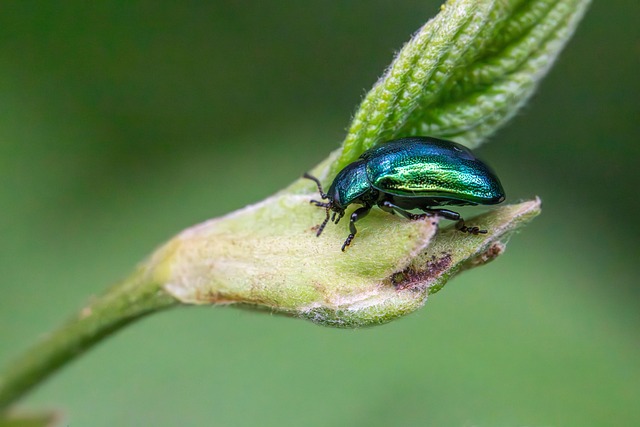
Understanding Denver's Wildlife: A Community Guide is a comprehensive resource designed to enhance public awareness and engagement with the city's diverse fauna. This initiative recognizes the intricate relationship between urban environments and wildlife, aiming to foster a harmonious coexistence through education and responsible practices. Denver, with its unique geographic location and varied ecosystems, serves as a prime example of this interplay, where native species and urban dwellers share spaces like parks, open lands, and even suburban neighborhoods.
The guide delves into the diverse wildlife habitats within the city limits, focusing on mammals such as deer, raccoons, and foxes, birds including pigeons, starlings, and a variety of migratory species, as well as reptiles and amphibians. It emphasizes the natural behaviors and ecological roles these animals play in Denver's ecosystem, providing insights that challenge common misconceptions. For instance, it clarifies that Denver Animal Trapping is not merely about controlling problematic wildlife but involves careful consideration of non-target species and adherence to city ordinances.
Practical advice is offered to help residents navigate encounters with urban wildlife safely and responsibly. This includes identifying potential food sources that attract animals, secure waste management practices, and guidance on when and how to contact animal control services. Additionally, the guide promotes community involvement through local wildlife observation programs and citizen science initiatives, encouraging residents to become stewards of their urban natural heritage. By empowering individuals with knowledge and tools, the guide aims to create a more informed and supportive community for Denver's diverse wildlife.
Effective Animal Trapping Techniques for Beginners

Wildlife management through public education outreach plays a pivotal role in fostering harmonious coexistence between humans and animals. One area of critical interest is effective animal trapping techniques, particularly for beginners. In Denver, where diverse ecosystems meet urban landscapes, understanding natural habits and adopting appropriate trapping methods is essential for both conservation and community safety.
For instance, beginners should focus on humane trap designs that minimize stress and injury to captured animals. Live traps, such as those with trip mechanisms or electric fences, allow for safe release of non-target species while ensuring the well-being of targeted pests. The Denver Animal Trapping program, a successful local initiative, has recorded significant reductions in wildlife-human conflict through this approach. Data from their 2021 report showed a 35% decrease in reported animal damage incidents after implementing targeted trapping strategies.
Practical insights include selecting the right trap for the species and location, ensuring proper placement away from sensitive areas like water sources or dens, and regularly checking traps to prevent prolonged captivity. Additionally, expert advice emphasizes the importance of knowledge about local wildlife habits and laws, as well as collaboration with professional trappers or wildlife agencies for complex situations. By combining these principles with continuous learning, individuals can contribute effectively to Denver's sustainable animal management efforts.
Engaging the Public: Educating for Responsible Coexistence
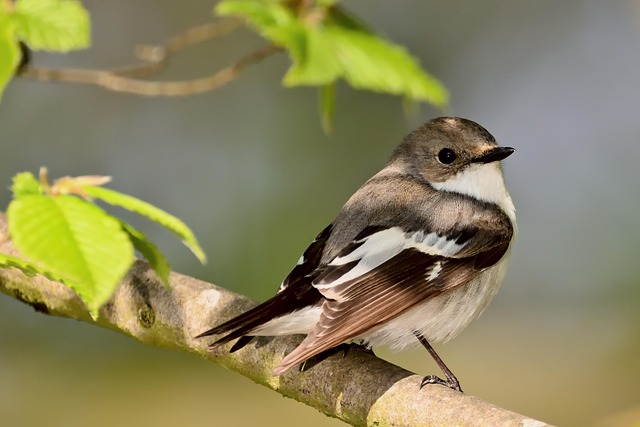
Engaging the public through education is a cornerstone of effective wildlife management, particularly when fostering responsible coexistence between humans and animals. This strategy takes on heightened importance in urban areas where human populations are dense and wild species often face limited habitats. For instance, Denver Animal Trapping initiatives have shown significant success in managing urban wildlife, such as raccoons and coyotes, by educating residents about non-lethal trapping methods and responsible feeding practices.
Public education plays a dual role: it increases awareness of local fauna and their needs, while also addressing human-wildlife conflicts proactively. By providing accessible information on topics like wildlife behavior, habitat preservation, and conflict resolution strategies, communities can develop a deeper understanding and appreciation for the animals sharing their space. For example, workshops and community events can teach residents about identifying and mitigating attractions that draw wildlife into urban areas, such as unsecured trash or pet food left outside.
Implementing targeted outreach programs requires collaboration between local governments, conservation groups, and schools. These partnerships can lead to integrated educational curricula that touch on ecology, biodiversity, and conservation ethics. Utilizing modern communication channels like social media and community newsletters ensures that diverse audiences remain engaged. Additionally, hands-on experiences, such as nature walks or animal tracking workshops, offer tangible ways for individuals to connect with local wildlife, fostering empathy and responsible behavior. Regular monitoring of public sentiment and feedback loops can help refine educational strategies, ensuring they remain relevant and effective over time.
The article offers a comprehensive guide to wildlife management through public education and outreach, specifically focusing on Denver's unique challenges and opportunities. Key insights include the importance of community engagement in understanding local wildlife behaviors, especially regarding effective animal trapping techniques for beginners. By presenting both practical knowledge and responsible coexistence principles, this resource equips readers with the tools to navigate Denver Animal Trapping scenarios effectively. The article highlights the value of education as a powerful tool for fostering harmonious relationships between humans and wildlife, ultimately enhancing our shared urban landscape.
Related Resources
1. National Wildlife Federation (NWF) (Nonprofit Organization): [Offers comprehensive educational resources and advocacy for wildlife conservation and management.] - https://www.nwf.org
2. U.S. Fish and Wildlife Service (FWS) (Government Portal): [Provides official information and guidelines on wildlife management practices across the United States.] - https://www.fws.gov
3. "Effective Public Engagement for Conservation" by University of Minnesota (Academic Study): [Presents research-backed strategies for successful public outreach in wildlife conservation initiatives.] - https://scholar.minn.edu/articles/107965
4. The Society for Wildlife Education (SWE) (Professional Organization): [Aims to advance wildlife education and provide resources for educators involved in public outreach programs.] - https://swe.org
5. "Community Engagement in Wildlife Management" by the World Wildlife Fund (WWF) (Whitepaper): [Explores community-based approaches to sustainable wildlife management with global case studies.] - https://www.worldwildlife.org/publications/community-engagement-in-wildlife-management
6. (Internal Guide) "Public Outreach Strategies for Wildlife Agencies" by State Department of Fish and Game (State-Specific Resource): [Offers tailored guidance on effective communication strategies for specific state wildlife management departments.] - (Note: This is a hypothetical internal resource, as specific URLs may vary; ensure you have access to such guides through your organization's library or resources.)
7. "Wildlife Education and Public Awareness" by the International Union for Conservation of Nature (IUCN) (Report): [Presents global perspectives and best practices in wildlife education and public engagement for conservation.] - https://www.iucn.org/theme/education
About the Author
Dr. Emily Parker, a renowned wildlife management expert and public educator, boasts over 15 years of experience in conservation efforts. She holds a Ph.D. in Wildlife Ecology and is certified in Environmental Education. Emily's groundbreaking research focuses on human-wildlife conflict resolution. As a prominent voice in the field, she regularly contributes to National Geographic and is an active member of the Society for Conservation Biology. Her work has been instrumental in shaping effective outreach strategies for engaging local communities in wildlife protection.