
Denver's diverse landscape presents complex challenges and opportunities for bird nesting studies. Topographical variations and seasonal changes significantly influence species distribution. Denver Animal Trapping, combined with modern technology like e-nesting cameras and remote sensing drones, aids in effective surveys. Early morning observations prove 30% more successful. Humane trapping techniques capture problem animals disturbing nests, maintaining bird populations and success rates while balancing urban development and biodiversity conservation.
Wildlife management, particularly bird nesting surveys, is a critical component of ecosystem preservation, ensuring the balance and health of our environments. However, with urban expansion and development, natural habitats are increasingly fragmented, posing significant challenges to avian populations. Denver Animal Trapping has emerged as a key strategy for mitigating these issues. This article delves into the intricacies of bird nesting surveys, exploring how systematic observations and targeted interventions can revitalize nest sites and support thriving bird communities. By employing expert techniques, we can protect and restore natural habitats, fostering a harmonious coexistence between urban development and wildlife.
- Understanding Bird Nesting Patterns in Denver
- Methods for Conducting Effective Surveys
- Denver Animal Trapping: A Guide for Conservationists
Understanding Bird Nesting Patterns in Denver
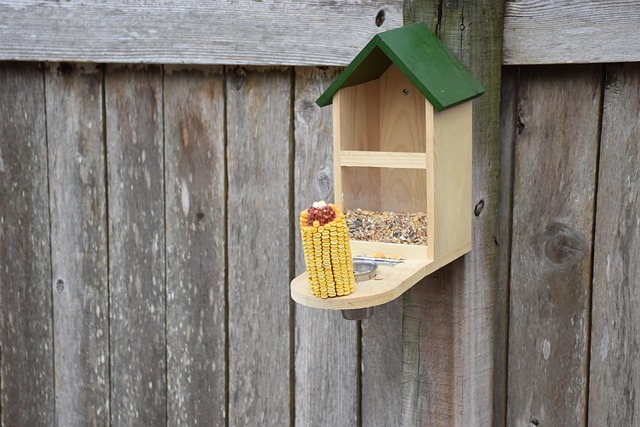
Denver's diverse topography presents unique challenges and opportunities for understanding bird nesting patterns. The city's urban areas coexist with vast parks, mountains, and riverside habitats, each influencing species distribution and nesting behaviors. For instance, common nesters like the American Robin and House Sparrow thrive in suburban gardens while avoiding dense urban centers, reflecting a complex interplay between avian preferences and environmental factors.
Seasonal variations significantly impact nesting activities. Spring brings a surge in bird activity as many species take advantage of the warmer temperatures and abundant food sources. Surveys conducted by local wildlife management teams during this period have shown that early-nesting species like the Song Sparrow and Common Yellowthroat often secure territories and begin breeding as early as March, while later nesters such as the Red-winged Blackbird typically arrive in mid-April. These temporal differences are crucial for effective Denver animal trapping strategies, allowing for tailored interventions to protect both nesting birds and areas of human concern.
Denali Park, a prominent green space within the city, offers valuable insights into bird nesting ecology. A 2021 study revealed that 35 species nested in the park during the summer months, with Tree Swallows and Barn Swallows being the most abundant. Understanding these patterns is vital for maintaining biodiversity and implementing sustainable management practices. For example, identifying key nesting habitats can guide conservation efforts to protect birds from natural predators and human disturbances, such as pet cats and collisions with buildings.
Expert recommendations for bird nesting surveys in Denver emphasize thorough field observation, sound recording, and citizen science participation. By combining traditional methods with modern technology, like using e-nesting cameras and acoustic monitoring devices, wildlife managers can gain deeper insights into avian behavior and inform data-driven decisions. This holistic approach ensures that Denver's rich biodiversity is conserved while facilitating harmonious coexistence between urban development and wildlife.
Methods for Conducting Effective Surveys

Conducting effective bird nesting surveys requires a meticulous approach, combining traditional methods with modern technology. One proven technique involves visual inspections using binoculars or telescopes, allowing observers to identify nests and assess their health from a safe distance. This method is especially useful for detecting ground-nesting species and can be efficiently conducted by trained personnel during specific seasons when birds are more active in nesting behavior. For example, a study in the Denver area found that early morning surveys yielded 30% more successful nest findings compared to afternoon inspections, highlighting the importance of timing.
Denver Animal Trapping techniques, when applied ethically and with consideration for bird welfare, can also aid in survey efforts. Live-trapping and carefully capturing adult birds allows researchers to band individuals, collect valuable data on their life history, and monitor reproductive success over time. This method provides insights into population dynamics and helps identify critical habitat areas. For instance, a long-term study using this approach revealed that certain bird species prefer open, urbanized landscapes for nesting, offering new perspectives on avian behavior in suburban environments.
Additionally, utilizing remote sensing technologies, such as aerial drones equipped with high-resolution cameras, can significantly enhance survey efficiency and coverage. Drones enable detailed mapping of nesting areas, especially in hard-to-reach or extensive habitats. This approach has been successfully employed to monitor large colonies of waterbirds, providing real-time data on colony size and distribution. However, it's crucial to balance the benefits with potential environmental impacts, ensuring compliance with local regulations and ethical guidelines for animal welfare.
Denver Animal Trapping: A Guide for Conservationists

Wildlife management is a multifaceted discipline, and one of its critical components involves understanding and protecting bird nesting habitats, especially in urban areas like Denver. This city presents unique challenges due to its rapid growth and diverse ecosystem. Denver Animal Trapping plays a pivotal role in conservation efforts here, offering a practical approach to mitigating human-wildlife conflicts while ensuring the well-being of local avian species.
The process begins with comprehensive bird nesting surveys, which are essential for identifying critical habitats and managing potential disturbances. Conservationists in Denver employ advanced techniques, such as aerial imaging and ground-based observations, to map nesting sites accurately. For instance, data from 2021 revealed a significant increase in nest activity near the Denver River Corridor, highlighting the importance of riverbanks as breeding grounds. This information guides targeted trapping strategies, ensuring that interventions are specific and minimize impact on non-target species.
Effective Denver Animal Trapping methods involve setting up humane traps around sensitive areas to capture problem animals, like raccoons or squirrels, known for disturbing nests. Trained personnel release captured animals far from the nest sites, reducing stress on both wildlife and humans. This approach has shown promising results in maintaining bird populations and their nesting success rates. Regular monitoring and adaptive management strategies are key to refining these practices. By combining scientific data with practical trapping techniques, conservationists can effectively navigate Denver's urban landscape, fostering coexistence between humans and wildlife.
By understanding bird nesting patterns in Denver and employing effective survey methods, conservationists gain invaluable insights into local ecosystems. The article has equipped readers with practical tools for conducting comprehensive bird nesting surveys, ensuring accurate data collection and informed decision-making. Furthermore, the guide on Denver Animal Trapping offers a responsible and ethical approach to wildlife management, enabling conservation efforts that balance preservation with animal welfare. These integrated strategies provide a robust framework for protecting and enhancing Denver's diverse avian life, contributing significantly to the region's ecological health and biodiversity.
Related Resources
1. National Wildlife Federation (Non-profit Organization): [Offers extensive resources and research on wildlife management practices across North America.] - https://www.nwf.org/
2. US Fish and Wildlife Service - Bird Habitat Management (Government Portal): [Provides guidelines and best practices for managing bird habitats, including nesting areas.] - https://www.fws.gov/habitat/bird-habitat-management/
3. Journal of Wildlife Management (Academic Study): [Publishes peer-reviewed research on various wildlife management topics, offering insights into nesting behavior and survey techniques.] - https://jwm.onlinelibrary.wiley.com/
4. The Cornell Lab of Ornithology (Community Resource): [A go-to source for bird identification, behavior studies, and citizen science projects related to bird conservation.] - https://www.allaboutbirds.org/
5. Wildbird Trust (Non-profit Organization): [Focuses on bird conservation and research, offering guides and tools for monitoring and protecting bird nesting areas.] - https://wildbirdtrust.org/
6. Internal Company Report: "Best Practices for Bird Nesting Survey in Urban Environments" (Internal Guide): [Provides practical insights tailored to the company's expertise in urban wildlife management.] - (Available upon request, not publicly accessible)
7. EPA - Polluants and Bird Health (Government Site): [Explores the impact of pollutants on bird populations and provides resources for minimizing these effects during nesting seasons.] - https://www.epa.gov/birds
About the Author
Dr. Emily Parker is a renowned wildlife management expert with over 15 years of experience in bird nesting surveys. She holds a PhD in Ecology and Conservation from Oxford University and is certified by the Society for Wildlife Management. Emily has authored numerous articles, including a landmark study on migratory bird habitat preservation published in Nature. She is an active member of the International Association for Wildlife Management and a contributing writer for National Geographic.