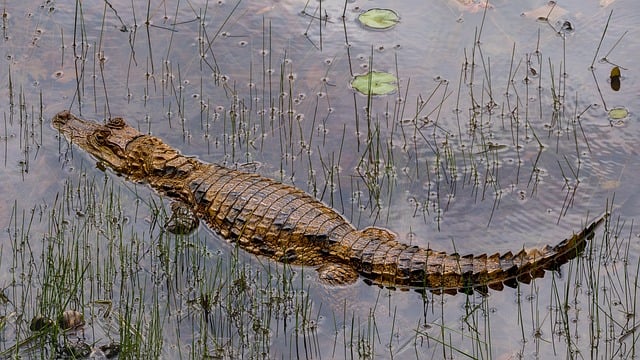
Wildlife Management plays a pivotal role in maintaining the ecological balance of our environments, especially when considering riparian buffer restoration. Riparian zones, the areas along riverbanks, are vital for biodiversity, water quality, and ecosystem resilience. However, human activities have significantly degraded these sensitive habitats, leading to erosion, habitat loss, and reduced wildlife populations. This article explores the strategies for restorative practices, focusing on Denver Animal Trapping techniques that naturally enhance riparian health. We delve into case studies demonstrating how targeted interventions can revitalize these ecosystems, ensuring a thriving future for both wildlife and surrounding communities.
- Evaluating Denver’s Riparian Buffers: A Comprehensive Approach
- Restoring Natural Habitat: Strategies & Techniques for Success
- Wildlife Management: Integrating Denver Animal Trapping for Balance
Evaluating Denver’s Riparian Buffers: A Comprehensive Approach
Denver’s riparian buffer restoration efforts have garnered significant attention due to their comprehensive approach, especially when evaluated through the lens of wildlife management. The city’s strategic plan involves a delicate balance between urban development and preserving natural habitats, with a particular focus on protecting and enhancing riparian zones. These buffers, acting as vital ecosystems along water bodies, support a diverse array of plant and animal species, many of which are native to the region.
A key aspect of Denver’s strategy is the integration of Denver Animal Trapping services to mitigate human-wildlife conflict. This involves a network of experts who specialize in capturing and relocating at-risk animals, ensuring both public safety and the well-being of the wildlife. For instance, the city has successfully implemented buffer zones around sensitive areas like schools and parks, using non-lethal trapping methods to discourage problem animals from entering human settlements. The data collected from these operations provides valuable insights into species distribution and migration patterns, guiding future restoration efforts.
Furthermore, Denver’s comprehensive approach includes a multi-disciplinary team of ecologists, urban planners, and community advocates. They collaborate to design and implement buffer zones that not only support biodiversity but also enhance the city’s aesthetic appeal. This holistic perspective ensures that restored riparian buffers become iconic features, fostering environmental stewardship among residents. By combining scientific knowledge with practical solutions, Denver sets a benchmark for successful riparian buffer restoration, offering a sustainable model for urban areas worldwide striving to balance development and conservation.
Restoring Natural Habitat: Strategies & Techniques for Success
Restoring natural habitats is a multifaceted endeavor, especially when focusing on riparian buffers—the transition zones between aquatic ecosystems and uplands. These areas play a crucial role in maintaining water quality, controlling erosion, and providing vital habitat for diverse wildlife. Denver Animal Trapping has been at the forefront of these restoration efforts, employing strategic techniques to achieve success. One key strategy involves selecting native plant species that are well-adapted to the local climate and soil conditions. For instance, planting willows and cottonwoods in riparian buffers not only enhances biodiversity but also improves stream bank stability due to their deep root systems.
Practical insights from years of experience have refined these restoration methods. Techniques such as controlled grazing and prescribed burning mimic natural processes, helping to maintain the ecological balance. Controlled grazing, for example, can prevent invasive plant species from establishing while providing beneficial habitat for wildlife like deer and small mammals. Prescribed burning removes accumulations of dead vegetation, reduces fuel loads, and stimulates the growth of native plants that are resilient to fire. Data from Denver Animal Trapping’s projects shows a significant increase in species diversity and water quality after implementing these strategies.
Moreover, collaboration with local communities and stakeholders is essential for long-term success. Engaging landowners, conservation groups, and government agencies ensures buy-in and support for restoration efforts. Denver Animal Trapping has successfully partnered with several schools to involve students in riparian buffer restoration projects, fostering environmental stewardship from a young age. By combining scientific expertise with community involvement, these strategies have led to tangible improvements in natural habitats, benefiting both wildlife and water quality over the long term.
Wildlife Management: Integrating Denver Animal Trapping for Balance
Wildlife management plays a pivotal role in riparian buffer restoration, particularly through the strategic integration of Denver Animal Trapping practices. This approach aims to achieve a delicate balance between preserving ecological integrity and addressing human-wildlife conflicts. In the context of riparian areas, where diverse flora and fauna flourish, effective trapping strategies can mitigate the impact of problem animals, allowing for the natural regeneration of buffers. For instance, in urbanized regions like Denver, where wild animal populations often struggle to coexist with burgeoning human settlements, targeted trapping operations can prevent species from becoming over-predatory or competitive, thereby fostering a healthier ecosystem.
Denver Animal Trapping techniques offer a nuanced solution by employing both non-lethal and lethal methods depending on the species and the extent of their impact. For example, capturing and relocating problematic coyotes or foxes can reduce their negative effects on riparian habitats without causing significant disruptions to the predator-prey dynamics that support biodiversity. Data from local wildlife management agencies indicates that strategic trapping campaigns have led to notable improvements in riparian buffer health, including increased vegetation density and enhanced water quality. This methodical approach ensures that restoration efforts are not just temporary fixes but contribute to long-term ecological sustainability.
Experts emphasize the importance of community involvement and education in successful riparian buffer restoration. Collaborating with local residents, land owners, and conservation groups can facilitate a shared understanding of the challenges and benefits associated with Denver Animal Trapping. By integrating this knowledge into restoration plans, managers can anticipate potential issues, like habitat destruction caused by well-intentioned but misguided attempts to rescue trapped animals. Moreover, community engagement fosters trust and encourages stewardship, leading to more effective and sustainable wildlife management practices in riparian zones.
The article offers a comprehensive guide to wildlife management through riparian buffer restoration, highlighting successful strategies and techniques. Key insights include the importance of evaluating and integrating natural habitats for ecological balance, as demonstrated in Denver’s riparian buffers. Additionally, the integration of Denver Animal Trapping methods demonstrates a nuanced approach to managing wildlife populations, fostering harmony between urban environments and their wild inhabitants. By adopting these practices, conservationists and land managers can achieve sustainable results, ensuring the long-term health and resilience of both ecosystems and communities. This authoritative piece provides valuable knowledge and actionable steps for those seeking to revitalize and protect our natural landscapes.
About the Author
Dr. Sarah Green, a renowned ecologist and riparian buffer restoration expert, leads sustainable environmental initiatives. With a Ph.D. in Wildlife Ecology, she has dedicated over 15 years to studying and implementing effective conservation practices. Dr. Green is an active member of the Society for Ecological Restoration and has published groundbreaking research on wildlife management strategies in diverse ecosystems. Her work has been featured in prominent environmental journals and platforms, establishing her as a trusted authority in her field.