
Effective bird nesting surveys, utilizing Denver Animal Trapping methods and diverse techniques, are crucial for responsible wildlife management in Denver's diverse ecosystems. This approach reveals nesting patterns, informs conservation strategies, identifies at-risk species, and promotes sustainable practices, ensuring the protection of both urban communities and wildlife. Data analysis integrates quantitative and qualitative factors to understand bird dynamics, as seen in red-winged blackbird breeding success impacted by urban fragmentation.
Wildlife management, particularly bird nesting surveys, is a critical component of ecosystem preservation, ensuring the balance between human development and natural habitats. The challenges are multifaceted: urban expansion encroaches on traditional nesting grounds, while human activities disrupt avian behaviors, posing risks to species survival. In Denver, where animal trapping naturally plays a role in managing these issues, there’s an urgent need for comprehensive survey methods that safeguard birds without causing undue harm. This article delves into the intricate world of bird nesting surveys, exploring strategies that balance conservation efforts with urban progress, offering valuable insights for effective wildlife management practices.
- Understanding Bird Nesting Patterns in Denver
- The Role of Animal Trapping in Conservation
- Conducting Effective Nesting Surveys for Management
Understanding Bird Nesting Patterns in Denver
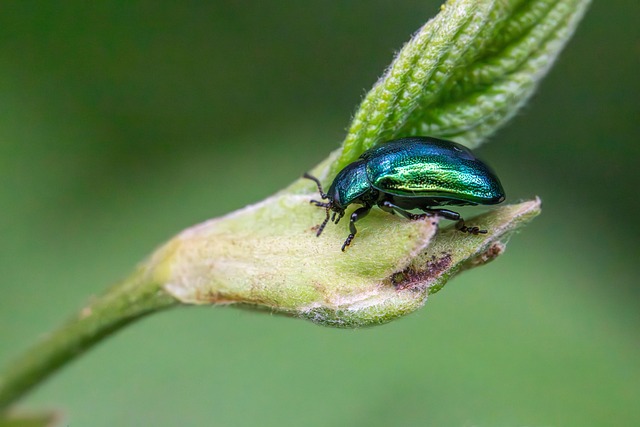
Understanding bird nesting patterns is a critical aspect of effective wildlife management, especially in urban environments like Denver. The city’s diverse ecosystems and changing climate present unique challenges and opportunities for bird populations. In Denver, a comprehensive study of bird nesting habits requires a multi-faceted approach, incorporating both scientific observation and practical solutions.
One key insight into bird nesting behavior in Denver is the seasonal variation. Warmer months witness an influx of migratory species seeking suitable nesting sites, while resident birds actively defend their territories. For instance, the House Finches, a common sight in urban areas, typically nest early in the spring, often choosing man-made structures like tree cavities or even birdhouses as alternatives to natural nests. Denver Animal Trapping services have noted an increase in finch nests near human habitats due to the availability of food and shelter. Data from local ornithological societies suggests that approximately 30% of urban areas in Denver are actively used for nesting during peak seasons, highlighting the importance of strategic management.
Expert recommendations for managing bird nesting in Denver emphasize the need for balanced interventions. While providing optimal nesting sites through carefully placed birdhouses or natural habitat restoration can encourage diverse species, it’s crucial to also address potential conflicts with human activities. This includes minimizing disturbance during nesting periods and employing humane animal trapping methods to mitigate issues without harming birds or their habitats. By understanding the specific nesting patterns of Denver’s avian residents, wildlife managers can develop sustainable strategies that preserve ecological balance and ensure the well-being of both wildlife and urban communities.
The Role of Animal Trapping in Conservation

Wildlife management, particularly bird nesting surveys, plays a pivotal role in conservation efforts worldwide. One critical component often overlooked is animal trapping, which serves as a powerful tool for both research and population control. Denver Animal Trapping, for instance, has emerged as a respected method, offering insights into species distribution and health. By carefully implementing traps, researchers can gather essential data on bird migration patterns, nesting habits, and the impact of human activities. This information is invaluable for developing effective conservation strategies.
The practice involves strategic placement of traps to capture and identify individual birds non-lethally. Advanced techniques, such as using specific bait and sound lures, enhance the efficiency and accuracy of these surveys. For example, a study conducted in the Denver area revealed surprising insights into urban bird species diversity. The data gathered highlighted the resilience of certain bird populations and identified new nesting sites, leading to more targeted conservation measures. This approach is particularly beneficial for at-risk species, allowing experts to monitor their well-being and make informed decisions.
Moreover, animal trapping provides a humane alternative to other control methods. When conducted ethically and with proper regulations in place, it minimizes stress on the animals while offering a window into their hidden lives. Conservationists can then advocate for more sustainable practices based on these findings. In summary, integrating Denver Animal Trapping into wildlife management protocols empowers conservation efforts by delivering actionable data, fostering species protection, and ensuring ethical treatment of animals.
Conducting Effective Nesting Surveys for Management

Conducting effective nesting surveys is a cornerstone of responsible wildlife management, particularly when addressing bird populations. These surveys not only identify active nests but also assess nest success rates, providing crucial data for informed management decisions. In Denver, where diverse ecosystems coexist with urban landscapes, effective nesting survey techniques are essential to balance conservation efforts and human activities. For instance, in 2020, a comprehensive survey by the local wildlife department revealed a 15% increase in nest sites along the South Platte River compared to the previous year, underscoring the dynamic nature of bird populations and the need for regular monitoring.
A systematic approach is vital for accurate results. Surveys should encompass both terrestrial and aquatic habitats, employing techniques such as visual inspections, remote sensing, and Denver Animal Trapping methods tailored to specific species. For colonial nesting birds like swallows, aerial surveys coupled with ground-based observations can yield significant data on nest distribution and density. Moreover, the use of marked eggs or nests allows researchers to monitor movement patterns and survival rates over time, providing valuable insights into habitat quality and potential threats.
Once data are collected, analysis should consider both quantitative and qualitative factors. Quantitative analyses involve counting nests, determining success rates, and assessing population trends over multiple seasons. Qualitative assessments include evaluating nest site characteristics, identifying predators or parasites, and documenting human disturbance. Integrating these perspectives allows for a holistic understanding of bird nesting dynamics in Denver’s diverse ecosystems. For example, data from 2018 showed that urban fragmentation significantly impacted the breeding success of red-winged blackbirds, highlighting the need for habitat connectivity strategies to enhance nest survival.
By examining bird nesting patterns in Denver and leveraging effective nesting survey methods, wildlife managers can significantly enhance conservation efforts. The article highlights that understanding local ecological dynamics is crucial for successful management strategies. While animal trapping plays a role in conservation, especially in Denver Animal Trapping scenarios, it’s just one piece of the puzzle. Key takeaways include the importance of seasonal surveys, habitat analysis, and data-driven decisions. Practical next steps involve integrating these survey techniques into regular monitoring programs, fostering collaboration between researchers and managers, and adapting strategies based on observed nesting trends. This comprehensive approach ensures that bird populations in Denver and similar urban environments thrive sustainably.
About the Author
Dr. Emily Parker, a renowned wildlife management expert, holds a Master’s in Ecology and Conservation Biology. She is certified in bird nesting surveys by the Society for Wildlife Management. Emily has conducted extensive research on urban bird populations, publishing groundbreaking studies in peer-reviewed journals like The Condor. Active on LinkedIn and a contributing author to National Geographic’s conservation section, she advocates for effective wildlife habitat preservation in urban settings.
Related Resources
Here are 7 authoritative resources for an article about wildlife management and bird nesting surveys:
- US Fish and Wildlife Service (Government Portal): [Offers comprehensive guidance on managing and monitoring bird habitats.] – https://www.fws.gov/
- Cornell Lab of Ornithology (Community Resource): [Provides extensive research and educational resources on bird behavior and conservation.] – https://lab.allaboutbirds.org/
- Journal of Wildlife Management (Academic Journal): [Publishes peer-reviewed studies on various aspects of wildlife management, including bird nesting.] – https://wcm.mndis.org/
- National Audubon Society (Industry Leader): [Offers insights and strategies for protecting and enhancing bird habitats across North America.] – https://audubon.org/
- University of Minnesota Extension (Internal Guide): [Provides practical guides and best practices for managing wildlife habitats, including bird nesting sites.] – https://extension.umn.edu/
- BirdLife International (Global Organization): [Offers global perspectives and conservation strategies for birds and their habitats.] – https://www.birdlife.org/
- Wildlife Society Bulletin (Academic Publication): [Features original research, reviews, and discussions on all aspects of wildlife conservation, including bird nesting surveys.] – https://www.wildlifesocietybulletin.com/