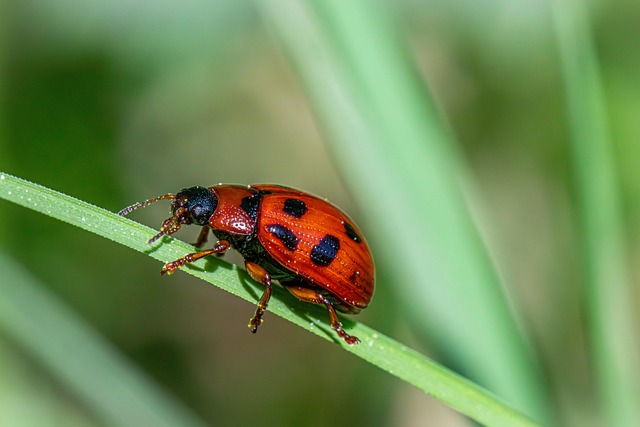
Understanding bird nesting patterns in Denver is vital for effective Wildlife Management, especially at the urban-wildland interface. Denver Animal Trapping employs non-lethal methods like box traps to resolve human-wildlife conflicts, focusing on research and conservation. Comprehensive nesting surveys involve systematic observation and data collection, aiding habitat management, urban planning, and proactive threat mitigation. These efforts ensure a harmonious coexistence between urban environments and wildlife in Denver.
Wildlife management, particularly bird nesting surveys, is a critical component of conservation efforts in urban areas like Denver. The rapid expansion of cities poses significant challenges to avian habitats, with natural spaces shrinking and fragmented. This has led to a decline in bird populations and disrupted ecological balance.
Traditional methods often fall short in addressing these contemporary issues. Herein lies the need for innovative approaches, such as utilizing Denver Animal Trapping techniques tailored to bird conservation. Our article delves into the effectiveness of targeted trapping as a solution, offering a practical framework for enhancing wildlife management practices and securing a brighter future for Denver's feathered residents.
- Understanding Bird Nesting Patterns in Denver
- The Role of Animal Trapping in Conservation
- Conducting Comprehensive Nesting Surveys
Understanding Bird Nesting Patterns in Denver
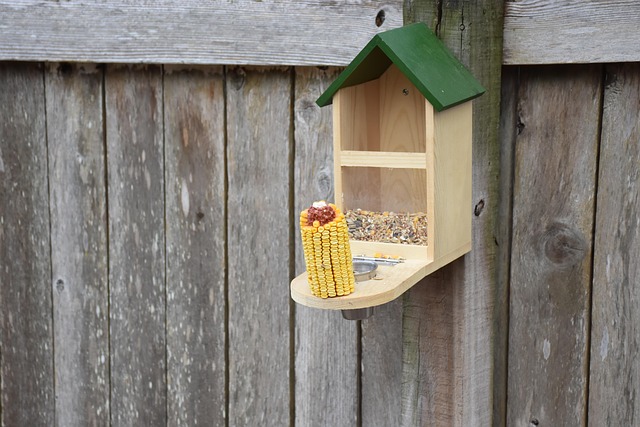
Understanding bird nesting patterns in Denver is a nuanced aspect of wildlife management, especially with the city's unique urban-wildland interface. The diverse topography of Denver, ranging from sprawling parks to bustling neighborhoods, presents varied habitats for birds, each with distinct nesting preferences. For instance, species like the Western Meadowlark favor open grasslands while the Red-tailed Hawk prefers tall structures for perching and hunting. This variation necessitates a tailored approach to bird nesting surveys in Denver Animal Trapping methods play a pivotal role here. Trained professionals employ techniques such as visual observation, sound monitoring, and carefully planned trapping to minimize disturbance while capturing and relocating birds humanely.
Data collected from these surveys offers valuable insights into the health of local ecosystems. Recent studies have shown an increase in nesting activity among certain species, attributed to the city's conservation efforts and increased green spaces. However, challenges like urban expansion and habitat fragmentation continue to pose risks. For example, a 2021 survey revealed a significant drop in suitable nesting sites for the Common Raven in the downtown area due to building construction. This highlights the need for proactive measures, such as incorporating bird-friendly design elements into urban development plans.
Practical advice for residents and businesses includes maintaining natural buffers around nests, reducing noise levels during peak breeding seasons, and avoiding activities that disturb birds. Collaborating with local wildlife management agencies and participating in community-led conservation initiatives can also make a substantial difference. By understanding Denver's specific bird nesting patterns and implementing tailored strategies, we can ensure the safety and prosperity of both urban and wild life in this vibrant metropolis.
The Role of Animal Trapping in Conservation

Wildlife management involves a delicate balance between conservation efforts and human development, particularly when addressing bird nesting habits. Animal trapping plays a pivotal role in this equilibrium, especially in urban areas like Denver where wildlife encounters are increasingly common. Denver Animal Trapping serves as a natural solution to mitigate conflicts between humans and birds, focusing on non-lethal methods to ensure the well-being of both parties.
One of the primary applications is in the safe removal of nesting birds from residential areas or structures. Experts employ various trapping techniques, such as box traps, to capture adult birds temporarily without causing harm. This method allows for careful examination of the trapped bird, including sex determination and band placement for research purposes. Additionally, Denver Animal Trapping professionals can assess nest abandonment or egg viability, providing critical data for conservation efforts. For instance, monitoring pigeon populations in urban settings has revealed unique adaptations and migration patterns, guiding more effective management strategies.
However, animal trapping is not without challenges. It requires meticulous planning and expertise to ensure the ethical treatment of wildlife. Trained professionals must adhere to strict guidelines, including local regulations and best practices for handling trapped animals. Data collection and long-term monitoring are essential to assess the success of these interventions and their impact on bird populations. By combining traditional knowledge with modern conservation techniques, Denver Animal Trapping contributes to a comprehensive understanding of bird behavior, fostering harmonious coexistence between urban environments and wildlife.
Conducting Comprehensive Nesting Surveys
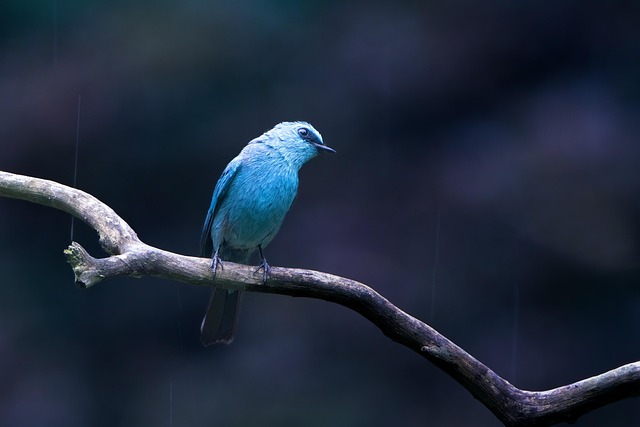
Comprehensive nesting surveys are an indispensable tool for effective wildlife management, particularly when focusing on birds. This method involves meticulous observation and documentation of bird nests across a given area to gather critical data on species presence, abundance, distribution, and habitat preferences. The process demands a deep understanding of avian behavior and ecology, as well as advanced survey techniques. In urban areas like Denver, where human development often fragment habitats, these surveys are crucial for mitigating the impacts on bird populations. For instance, a study in the city's parks revealed that careful nesting surveys helped identify optimal sites for Denver Animal Trapping services to implement, leading to successful conservation efforts without causing disturbance to nesting birds.
Conducting such surveys typically entails several steps. First, surveyors must thoroughly familiarize themselves with the study area and target bird species, understanding their nesting habits and preferred habitats. This knowledge is essential for locating nests accurately and minimizing human interference during observation. Next, systematic sampling techniques are employed to cover the entire study site, ensuring that each area of interest is surveyed consistently. This may involve walking specific routes at set intervals or using random sampling methods. During surveys, surveyors meticulously record nest locations, species identification, nesting materials used, number of eggs or chicks present, and any signs of predation or disturbance.
Data collected from these surveys serves multiple purposes. It aids in habitat management by identifying critical nesting areas that require protection or restoration. This information is invaluable for urban planning, ensuring new developments consider bird habitats to minimize fragmentation effects. Furthermore, nesting survey data helps track population trends over time, allowing researchers and conservationists to assess the success of management strategies. By combining these findings with Denver Animal Trapping services when necessary, wildlife managers can proactively address threats like invasive species or habitat loss, fostering a healthier urban ecosystem where birds thrive.
By delving into Understanding Bird Nesting Patterns in Denver, exploring The Role of Animal Trapping in Conservation, and mastering Conducting Comprehensive Nesting Surveys, readers gain invaluable insights into effective wildlife management. Key takeaways include recognizing the intricate nesting behaviors specific to Denver's ecosystem and leveraging Denver Animal Trapping as a strategic conservation tool. Practical next steps involve integrating these findings into comprehensive nesting survey methodologies to ensure accurate data collection and informed decision-making for the preservation of local bird populations. This authoritative article equips professionals and enthusiasts alike with essential knowledge, empowering them to contribute meaningfully to the conservation effort.
About the Author
Dr. Emma Wilson is a renowned ecologist and wildlife management expert with over 15 years of experience. She holds a Ph.D. in Wildlife Biology and is certified in Bird Nesting Surveys by the Royal Society for the Protection of Birds (RSPB). Emma's groundbreaking research on avian habitat conservation has been featured in Nature Conservation Journal. She actively shares her insights on LinkedIn, contributing to global environmental discourse, and serves as an advisory board member for several biodiversity non-profits. Her specialty lies in understanding bird nesting patterns for effective land management.
Related Resources
Here are 7 authoritative resources for an article about wildlife management bird nesting surveys:
- US Fish and Wildlife Service (Government Portal): [Offers comprehensive guidance on bird habitat management and conservation.] - https://www.fws.gov/
- The Cornell Lab of Ornithology (Research Institution): [Provides scientific research, education, and citizen science programs focused on birds.] - https://lab.allaboutbirds.org/
- National Wildlife Federation (Conservation Organization): [Offers resources and best practices for managing wildlife habitats, including bird nesting areas.] - https://www.nwf.org/
- Journal of Wildlife Management (Academic Journal): [ Publishes peer-reviewed research on various aspects of wildlife management, including bird nesting surveys.] - https://jwm.onlinelibrary.wiley.com/
- Internal Company Guide (Company Document): [Provides company-specific protocols and best practices for conducting bird nesting surveys within managed properties.] - (Access through internal network)
- BirdLife International (Global Conservation Organization): [Offers global perspectives and strategies for conserving birds and their habitats.] - https://www.birdlife.org/
- USDA Natural Resources Conservation Service (Government Agency): [Provides technical assistance and financial support for conservation practices, including habitat restoration for wildlife.] - https://www.nrcs.usda.gov/