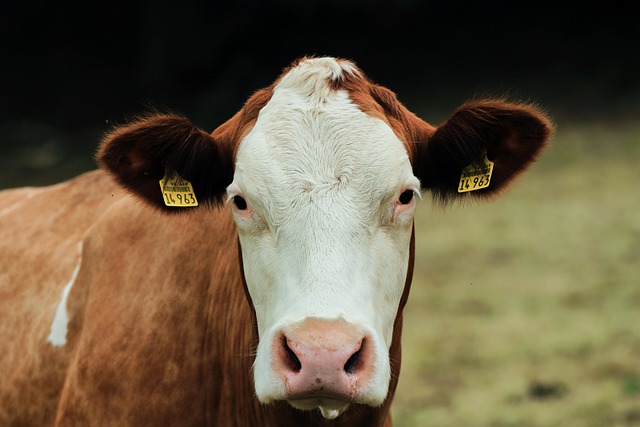
Denver Animal Trapping is a strategic approach to habitat restoration, focusing on humane capture and relocation of urban wildlife like raccoons, skunks, and opossums. Collaborating with restoration organizations, specialists employ techniques including controlled burning and vegetation control to promote biodiversity and ecological balance, ensuring successful reintroduction of native species while benefiting both wildlife and urban communities.
Wildlife Management and habitat restoration are critical components of preserving our natural world. This comprehensive guide explores various aspects of these essential practices, with a particular focus on Denver Animal Trapping and its role in ecosystem revitalization. We delve into effective strategies for wildlife management, highlighting their profound impact on restored habitats. Additionally, we examine the art of reintroducing native species, showcasing how this approach nurtures thriving, biodiverse ecosystems.
- Denver Animal Trapping: Understanding the Role in Habitat Restoration
- Strategies for Effective Wildlife Management and Their Impact
- Restoring Ecosystems: The Art of Reintroducing Native Species
Denver Animal Trapping: Understanding the Role in Habitat Restoration
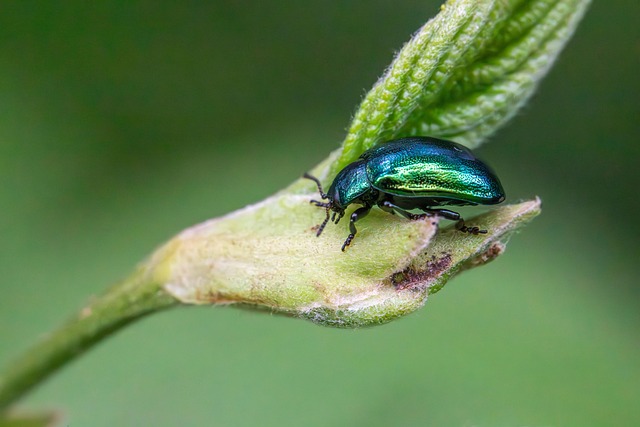
Denver Animal Trapping plays a pivotal role in habitat restoration efforts across the region. This specialized practice involves the humane capture and relocation of urban wildlife, addressing the complex interplay between human development and natural habitats. As cities expand, so does the need to manage the impact on local ecosystems. Denver Animal Trapping professionals employ strategic techniques to trap and relocate animals like raccoons, skunks, and opossums from developed areas back into restored or protected habitats.
By implementing these methods, restoration projects can ensure the successful reintroduction of wildlife into their native environments. This process requires meticulous planning and knowledge of animal behavior to minimize stress and maximize survival rates. Denver Animal Trapping experts collaborate with habitat restoration organizations to create sustainable solutions that benefit both wildlife and urban areas, fostering a harmonious coexistence between human communities and nature’s inhabitants.
Strategies for Effective Wildlife Management and Their Impact

Wildlife management is a complex field that requires a multifaceted approach, especially in habitat restoration efforts. Effective strategies involve a combination of techniques such as controlled burning, vegetation management, and Denver animal trapping to create balanced ecosystems. By mimicking natural processes, these methods encourage biodiversity and enhance the overall health of the environment.
For instance, removing invasive species through targeted trapping can significantly improve native wildlife habitats. This process not only preserves the native species but also restores the ecological balance disrupted by non-native intruders. Additionally, controlled burning helps clear out dense vegetation, allowing for the regrowth of diverse plant life that supports a wide array of animal species. These strategies, when implemented thoughtfully, have a profound impact on ecosystem recovery and the long-term sustainability of wildlife populations.
Restoring Ecosystems: The Art of Reintroducing Native Species

Restoring ecosystems through the art of reintroducing native species is a critical aspect of wildlife management habitat restoration, especially in urbanized areas like Denver. The process involves carefully planning and executing the reintroduction of plants and animals that are naturally adapted to the local environment, aiming to revive ecological balance and biodiversity. This approach not only enhances the overall health of the ecosystem but also contributes to the long-term sustainability of the region’s wildlife population.
In Denver Animal Trapping scenarios, experts focus on capturing and relocating non-native species while simultaneously fostering the growth of native flora and fauna. By eliminating invasive species and creating favorable conditions for indigenous creatures, the habitat can begin to heal. This delicate balance is essential for maintaining a vibrant ecosystem where each species plays its vital role, ensuring a harmonious coexistence that benefits both wildlife and the environment as a whole.
Denver animal trapping plays a pivotal role in habitat restoration by safely capturing and relocating non-native species, allowing for the successful reintroduction of native wildlife. By employing effective wildlife management strategies, such as habitat enhancement and controlled hunting, we can significantly impact ecosystem restoration. Restoring balance to these ecosystems ensures the long-term survival of both animal and plant life, creating a thriving and sustainable environment for all.