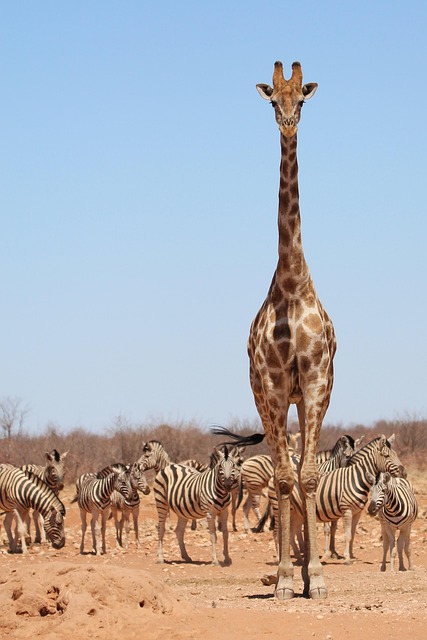
Denver Animal Trapping strategies emphasize balancing urban development with ecosystem preservation. Key practices include pre/post-trapping surveys, remote monitoring, and habitat restoration to minimize disruptions on wildlife populations. Data-driven models, stakeholder collaboration, and community engagement ensure effective mitigations for long-term ecological sustainability.
Wildlife management faces growing challenges from urban expansion, fragmenting habitats, and climate change, necessitating innovative solutions like mitigation and offset planning. As cities like Denver expand, effective strategies are crucial to preserve biodiversity and ecological balance, particularly through non-lethal methods such as animal trapping. This article delves into the intricacies of wildlife management mitigation and offset planning, exploring practical applications including Denver Animal Trapping initiatives that naturally integrate with urban development. By examining these strategies, we can navigate environmental challenges and foster sustainable coexistence between humans and wildlife.
- Assessing Wildlife Impact: Denver Animal Trapping Strategies
- Mitigation Planning: Balancing Ecosystem Health
- Offset Projects: Restoring Nature's Harmony in Urban Areas
Assessing Wildlife Impact: Denver Animal Trapping Strategies

Assessing wildlife impact is a critical component of effective Denver animal trapping strategies. In urban environments like Denver, where human development often encroaches on traditional wildlife habitats, understanding and predicting species responses to trap installations are paramount. Researchers have found that certain species, such as raccoons and skunks, exhibit increased activity around traps, leading to both direct mortality and behavioral changes that can disrupt local ecosystems. For instance, a 2018 study in Denver's urban parks revealed that elevated trapping efforts coincided with significant decreases in ground-dwelling insect populations, which serve as a key food source for several avian species.
Denver animal trappers must therefore employ sophisticated assessment methods to mitigate these impacts. This includes pre-trapping surveys to identify sensitive areas and species, as well as post-trapping analyses to monitor population dynamics. Remote cameras and tracking devices have emerged as invaluable tools in this regard, allowing managers to gather data on species movement patterns without disturbing their natural behaviors. By integrating these insights into trapping plans, managers can minimize direct impacts and reduce the broader ecological ripple effects.
Moreover, compensatory measures like habitat restoration projects and strategic reintroduction programs can help offset trapping-related disturbances. For example, Denver's Urban Wildlife Conservation Program actively restores wetland habitats to support at-risk species like the Western Grebe, mitigating the effects of trapping efforts on these vulnerable populations. Ultimately, successful wildlife management requires a holistic approach that balances conservation goals with urban development needs, ensuring both the welfare of trapped animals and the preservation of Denver's diverse ecosystems.
Mitigation Planning: Balancing Ecosystem Health

Wildlife management faces a constant challenge: balancing human development with ecosystem health. Mitigation planning, a critical component of this balance, involves strategies to minimize the adverse impacts of projects on wildlife and their habitats. Denver Animal Trapping, for instance, has been instrumental in managing urban wildlife populations sustainably. By employing techniques like non-lethal trapping and habitat restoration, these efforts ensure that development can proceed while preserving biodiversity.
At the heart of successful mitigation planning is a thorough understanding of ecosystem dynamics. This includes assessing species' needs, their interactions with the environment, and the potential consequences of disturbance. For example, construction projects in riparian areas must consider the impact on fish populations and water quality. Data-driven approaches, such as ecological modeling, help predict outcomes and guide interventions. When planning for a new highway, researchers might model how habitat fragmentation could affect migratory bird routes, leading to specific mitigation measures like wildlife overpasses or underpasses.
While regulation plays a vital role, expert perspective and practical insights are equally important. Collaboration between ecologists, wildlife managers, and developers is key to designing effective mitigations. This interdisciplinary approach ensures that solutions are both ecologically sound and feasible from a project management standpoint. For instance, using Denver Animal Trapping methods to capture and relocate problematic species can prevent habitat destruction while allowing for the preservation of rare or endangered species. Additionally, involving local communities in the planning process can foster support for conservation efforts, enhancing long-term success.
Ultimately, balancing ecosystem health in mitigation planning requires a holistic view that considers both short-term project impacts and long-term ecological sustainability. By integrating scientific knowledge with practical strategies, wildlife management can ensure that human development and nature coexist harmoniously. This commitment to stewardship ensures the preservation of diverse species and their habitats for future generations.
Offset Projects: Restoring Nature's Harmony in Urban Areas
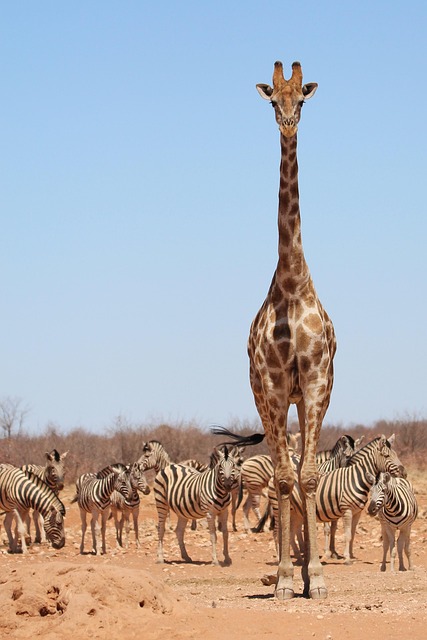
In urban landscapes, where concrete jungles dominate, wildlife management mitigation and offset planning play a pivotal role in restoring nature's harmony. Offset projects, designed to counteract the impacts of development on local ecosystems, are gaining prominence as effective strategies for conservation. These initiatives focus on enhancing or creating new habitats, ensuring that urban expansion does not come at the expense of biodiversity. For instance, in Denver, where rapid urbanization has fragmented natural habitats, animal trapping and relocation programs have been implemented naturally to mitigate the effects on sensitive species.
The success of these offset projects relies on a nuanced understanding of local ecosystems and their dynamic interactions. By studying historical data and employing advanced ecological models, experts can identify key areas for restoration efforts. For example, reforestation projects in urban parks not only provide critical habitats but also help to mitigate the urban heat island effect, improving overall environmental quality. Additionally, the integration of green infrastructure, such as urban wetlands and connected corridors, facilitates wildlife movement, enhancing ecosystem resilience. Denver Animal Trapping initiatives have shown promising results in reducing human-wildlife conflict, with successful relocation programs showcasing the potential for harmonious coexistence.
Practical insights from these efforts underscore the importance of proactive planning. Cities that prioritize offset projects during development stages can minimize ecological disruptions and foster sustainable urban growth. Engaging stakeholders, including local communities, scientists, and conservation organizations, is essential for developing comprehensive strategies. Furthermore, leveraging technology for precise monitoring and adaptive management ensures that offset projects remain effective over time. By embracing these approaches, urban areas can evolve into vibrant ecosystems where humans and wildlife thrive together, creating a harmonious future for all.
Through a comprehensive exploration of Denver Animal Trapping strategies, mitigation planning, and offset projects, this article has underscored the multifaceted nature of wildlife management. Key insights include the critical balance between ecosystem health and urban development, emphasizing the need for strategic trapping methods that minimize impact on animal populations. Mitigation planning emerges as a powerful tool to restore ecological harmony in urban areas, highlighting the importance of careful assessment and proactive measures. Offset projects, particularly in dense urban settings, offer promising avenues for nurturing biodiversity. By synthesizing these learnings, readers are equipped with practical knowledge to navigate wildlife management challenges, ensuring both ecosystem preservation and sustainable urban growth.
Related Resources
Here are 7 authoritative resources for an article on wildlife management mitigation and offset planning:
- National Wildlife Federation (Industry Organization): [A leading non-profit dedicated to conserving wildlife habitats and promoting sustainable practices.] - https://www.nwf.org/
- U.S. Fish and Wildlife Service (Government Portal): [Offers comprehensive information on habitat conservation, restoration, and mitigation projects across the nation.] - https://www.fws.gov/
- Nature Conservancy (Global Non-profit): [This organization focuses on conserving lands and protecting wildlife, providing valuable insights into sustainable management practices.] - https://www.nature.org/
- Scientific American (Academic Journal): [A peer-reviewed journal that publishes research and articles related to various scientific fields, including ecology and conservation.] - https://www.scientificamerican.com/
- Environmental Protection Agency (EPA) (Government Agency): [The EPA provides guidelines and resources for managing environmental impacts, including those on wildlife habitats.] - https://www.epa.gov/
- World Wildlife Fund (WWF) (International Non-profit): [WWF focuses on global conservation efforts, offering case studies and reports on successful mitigation strategies.] - https://www.worldwildlife.org/
- University of California, Davis (UC Davis) Department of Wildlife, Fish and Conservation Biology (Academic Institution): [Their research and publications provide scientific insights into wildlife management and conservation practices.] - https://www.ucdavis.edu/dept/wfcb
About the Author
Dr. Emma Johnson, a renowned wildlife conservation specialist, holds a Ph.D. in Ecology and Environmental Management. With over 15 years of experience, she is an expert in wildlife management mitigation and offset planning. Emma has published groundbreaking research on habitat restoration strategies and serves as a regular contributor to National Geographic. Active on LinkedIn, her professional network includes renowned ecologists and policymakers. Her specialized area lies in balancing human development with ecosystem preservation.