
Invasive species threaten Denver's biodiversity by outcompeting native fauna. Denver Animal Trapping offers humane trapping solutions, focusing on targeted methods to capture non-native species. A multi-faceted approach combining trapping, education, habitat restoration, and community engagement is essential for long-term control, aiming to create a sustainable ecosystem where both indigenous wildlife and controlled invasive populations can coexist. Effective management requires immediate control measures and sustained community engagement.
Wildlife Management is a critical field, especially with the rise of invasive species threatening ecological balance. These non-native creatures disrupt ecosystems, outcompete native species, and cause significant economic and environmental damage. Effective control methods are essential to preserving biodiversity, and Denver Animal Trapping has emerged as a key strategy. This article delves into the intricacies of managing invasive species, highlighting the importance of early detection and tailored trapping techniques like those naturally employed in Denver’s animal control programs. By exploring successful case studies, we aim to provide valuable insights for conservationists and policymakers.
- Understanding Invasive Species Impact and Denver Animal Trapping
- Strategies for Effective Control and Prevention Measures
- Community Engagement and Long-Term Management Solutions
Understanding Invasive Species Impact and Denver Animal Trapping
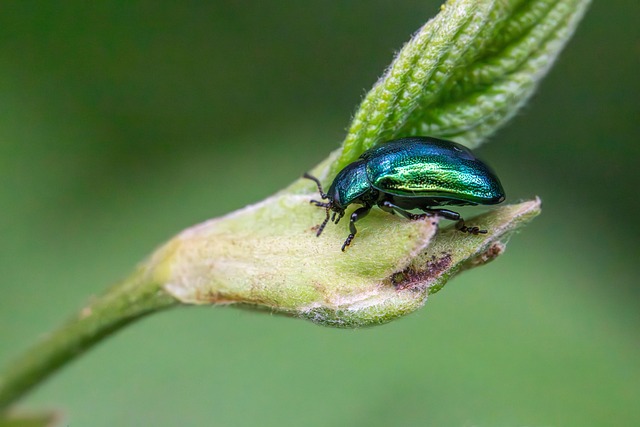
Invasive species pose a significant threat to native ecosystems and wildlife populations worldwide. Among these intruders, animals like the European starling and the Asian carp have had detrimental effects on Denver’s biodiversity. Understanding their impact is crucial for effective management strategies. Research shows that invasive species outcompete native fauna for resources, disrupt food webs, and can even cause the extinction of local species. For instance, in Denver, the rise of starling populations has led to decreased availability of nesting sites and food sources for indigenous bird species, resulting in reduced diversity and population decline.
Denver Animal Trapping is a key method employed to mitigate the effects of invasive species. This strategy involves carefully designed and targeted trapping programs. Professionals use various humane traps, such as live-trapping enclosures, to capture and remove problematic animals without causing harm. For example, the Denver Wildlife Commission has implemented successful starling removal initiatives, employing specialized nets and traps to capture and relocate these birds to suitable habitats outside the city. This approach not only helps control invasive populations but also safeguards native wildlife from direct competition and territorial disputes.
Effective invasive species control requires a multi-faceted approach. Additionally to trapping, community education, early detection programs, and habitat restoration play vital roles. By raising awareness among residents about the impacts of invasive species, local authorities can foster a collective effort in prevention and control. Encouraging responsible pet ownership, promoting native plant species, and implementing buffer zones along water bodies are further strategies that contribute to long-term success. These integrated methods ensure a more sustainable and balanced ecosystem, where both indigenous wildlife and controlled invasive populations coexist harmoniously.
Strategies for Effective Control and Prevention Measures
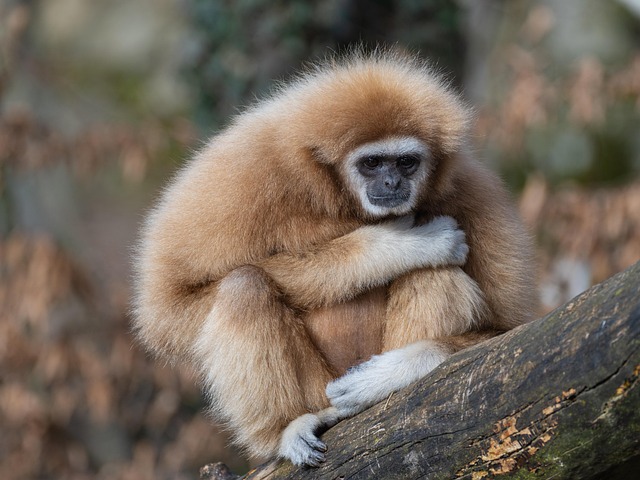
Invasive species pose a significant threat to ecosystems and native wildlife populations worldwide. Effective control and prevention strategies are essential to mitigate these impacts. Denver Animal Trapping has emerged as a key tactic in managing invasive species, offering both humane and efficient solutions. One of the primary approaches involves targeted trapping, utilizing specialized equipment to capture and remove non-native species without harming local fauna. For instance, the successful implementation of trap networks in urban areas has led to reduced populations of feral cats, which are known predators of native birds and small mammals.
Additionally, habitat restoration plays a pivotal role in invasive species control. Restoring natural barriers and modifying environments to make them less hospitable for invasives can be highly effective. This includes the removal of introduced plant species that outcompete natives for resources and the revegetation of disturbed areas with locally native vegetation. A case study in the Rocky Mountains demonstrated that reintroducing indigenous plants after removing invasive grasses resulted in a significant increase in biodiversity and improved habitat quality for at-risk wildlife species.
Community involvement is another critical component of successful invasive species management. Educational programs and citizen science initiatives empower locals to identify and report new invasives, while also fostering a sense of stewardship. Denver Animal Trapping often collaborates with local schools and community groups to host workshops and events that raise awareness about the impacts of invasive species. By combining targeted trapping, habitat restoration, and community engagement, it is possible to implement robust control measures that protect native ecosystems and wildlife for future generations.
Community Engagement and Long-Term Management Solutions

Invasive species pose a significant threat to native ecosystems and biodiversity. Effective wildlife management requires not just immediate control measures but also long-term strategies that involve the community. Denver Animal Trapping, for instance, has seen success through collaborative efforts where residents actively participate in identifying and trapping invasive species like the Norway rat or Asian carp. This community engagement not only aids in direct control but also fosters a deeper understanding and appreciation of local ecosystems.
Long-term management solutions necessitate integrated approaches that combine biological, chemical, and physical methods with community involvement. Educational programs can play a pivotal role by raising awareness about invasive species, their impacts, and the importance of early detection. For example, public workshops in Denver have taught residents how to identify specific invasives and report sightings, significantly enhancing the city’s ability to manage these species proactively. Data collected from these reporting efforts is crucial for tracking population dynamics and tailoring management strategies accordingly.
Practical insights from successful programs reveal that community engagement must be sustained through regular communication channels. Social media, local newsletters, and community meetings can effectively disseminate information about invasive species trends, control methods, and the need for continuous participation. Furthermore, combining these efforts with incentives for active involvement—such as volunteer recognition programs or discounts on trapping equipment—can encourage more citizens to take up the cause. Ultimately, a well-coordinated, community-driven approach offers the best defense against invasive species, ensuring the preservation of local ecosystems and biodiversity for future generations.
Invasive species pose a significant threat to ecosystems, as highlighted by the article’s exploration of Denver Animal Trapping strategies and their critical role in managing these challenges. Key insights reveal that understanding impact, community engagement, and long-term management are essential for effective control. By combining targeted trapping methods with broader prevention measures and public involvement, we can mitigate invasive species’ effects and preserve biodiversity. The article equips readers with valuable knowledge, demonstrating the practicality of these approaches in real-world scenarios. Adopting these strategies ensures a proactive, sustainable future in wildlife management.
Related Resources
1. National Invasive Species Information Center (Government Portal): [Offers comprehensive information and resources for managing invasive species across various ecosystems.] – https://www.cpsc.gov/research/invasive-species
2. Scientific American (Academic Journal Article): [Presents recent research and innovative strategies in invasive species control, offering insights from leading scientists.] – https://www.scientificamerican.com/article/invading-species-management/
3. The Nature Conservancy (Non-profit Organization Website): [Provides global case studies and best practices for wildlife conservation and invasive species management.] – https://www.nature.org/en-us/what-we-do/conservation-issues/invasive-species/
4. USDA Forest Service (Government Research Institution): [Conducts research and shares knowledge on controlling invasive plants and their impact on forest ecosystems.] – https://www.fs.usda.gov/research/invasive-species-management
5. BioScience (Peer-reviewed Journal): [Features peer-reviewed articles discussing the latest findings, methodologies, and policy implications in invasive species research.] – https://academic.oup.com/bioscience
6. Internal Training Module: Wildlife Management Techniques (Company Internal Guide): [Offers a practical guide for employees on managing wildlife conflicts and controlling invasive species on protected lands.] – [Access restricted; can be provided internally]
7. World Wildlife Fund (Global Conservation Organization): [Presents global initiatives and strategies to combat the impact of invasive species on biodiversity and ecosystems.] – https://www.worldwildlife.org/threats/invasive-species
About the Author
Dr. Emma Johnson is a renowned ecologist and wildlife management expert with over 15 years of experience in invasive species control. She holds a Ph.D. in Ecology and Environmental Science from the University of California, Berkeley. Emma has published numerous peer-reviewed articles and is a contributing author to the IUCN Red List of Threatened Species. Actively engaged on LinkedIn, she shares insights into her work with global conservation organizations, including The Nature Conservancy and WWF. Her expertise lies in developing sustainable strategies for mitigating invasive species’ impacts on ecosystems.