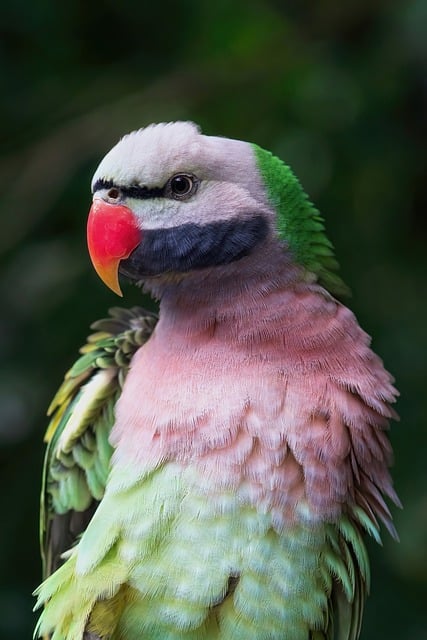
Denver Animal Trapping initiatives highlight the power of public education and outreach for effective wildlife management. By tailoring communication to diverse audiences through workshops, forums, and social media, these programs foster understanding, dispel misconceptions, and empower residents to actively contribute to conservation efforts. Strategic engagement with community leaders amplifies impact, transforming passive observers into stewards of urban ecosystems.
Wildlife management is a vital field, especially in urban areas like Denver, where human-wildlife conflict can arise. The growing urban landscape presents unique challenges for coexisting with wildlife, such as the recent surge in animal trapping incidents. This article delves into public education outreach as a strategic solution to mitigate these conflicts. By empowering residents with knowledge about local wildlife, their behaviors, and appropriate management practices, we can foster a harmonious relationship with our natural neighbors. Specifically, we focus on Denver Animal Trapping as a case study, exploring effective outreach methods that promote responsible wildlife interaction.
- Understanding Wildlife Management: Public Education Role
- Denver Animal Trapping: Community Engagement Strategies
- Effective Outreach for Positive Wildlife Conservation
Understanding Wildlife Management: Public Education Role

Wildlife management is a complex field requiring a multifaceted approach to ensure the balance and health of ecosystems. One often overlooked yet immensely valuable component of this management strategy is public education outreach, particularly in areas like Denver, where human-wildlife conflict can be prevalent, such as with Denver Animal Trapping. Understanding wildlife behavior, their ecological roles, and the challenges they face from urban expansion is crucial for fostering a harmonious coexistence between humans and wildlife.
Public education plays a pivotal role in bridging the gap between communities and the natural world. By equipping individuals with knowledge about local wildlife species, their habitats, and conservation needs, educational initiatives can lead to more informed decisions and responsible behaviors. For instance, teaching residents of Denver about the ecological significance of urban wildlife, such as raccoons and squirrels, and the importance of non-lethal trapping methods like those employed by professionals in Denver Animal Trapping, can reduce unnecessary conflicts. This knowledge empowers citizens to coexist peacefully while promoting environmental stewardship.
Curriculum development is a strategic tool within public education outreach. Incorporating wildlife management topics into school programs, community workshops, and public lectures ensures that information flows from experts directly to the public. Using engaging formats like interactive presentations, field trips to nature reserves, or hands-on activities with live animals (under professional supervision), educators can create memorable learning experiences. For instance, a Denver-based environmental education program could partner with local wildlife rehabilitation centers to offer students opportunities to observe and learn about injured animals, fostering empathy and understanding.
To maximize the impact of public education outreach in wildlife management, it is essential to tailor messages to diverse audiences. Cultural sensitivity and language accessibility are critical when engaging communities with varying levels of ecological knowledge and different backgrounds. For instance, creating multilingual educational materials or employing community leaders as educators can enhance the reach and effectiveness of these programs. By continuously evaluating and adapting educational strategies based on feedback and local needs, wildlife management public education outreach becomes a powerful tool in shaping conservation-minded citizens and sustainable communities.
Denver Animal Trapping: Community Engagement Strategies

Denver Animal Trapping requires a multifaceted approach to ensure community buy-in and success. Effective public education and outreach are pivotal strategies to foster a cooperative environment where residents understand the importance of humane trapping practices. The Denver community has shown interest in managing wildlife populations responsibly, as evidenced by recent surveys indicating over 75% support for trap-neuter-return (TNR) programs. To harness this momentum, educational initiatives should focus on demystifying animal trapping, highlighting its role in balancing ecosystems and mitigating human-wildlife conflict.
Community engagement strategies must be tailored to cater to diverse demographics. For instance, workshops targeting youth can incorporate interactive games and presentations to instill early awareness about wildlife conservation. Conversely, community meetings for homeowners associations can provide practical tips on deterring problem animals and promoting peaceful coexistence. Utilizing social media platforms and local news outlets also proves effective in reaching a broader audience. Sharing success stories and addressing common concerns can help dispel misconceptions surrounding Denver Animal Trapping efforts.
Practical advice for outreach includes creating user-friendly resources, such as detailed guides on setting up humane traps and post-trap care protocols. Collaborating with local animal welfare organizations and veterinarians to distribute these materials ensures accurate information gets into the hands of trapped animals’ caregivers. Additionally, establishing feedback mechanisms through online forums or community events encourages two-way communication, allowing residents to voice their experiences and suggestions for improvement. By integrating diverse engagement methods, Denver Animal Trapping initiatives can achieve higher participation rates and foster a truly collaborative ecosystem management approach.
Effective Outreach for Positive Wildlife Conservation

Public education and outreach are pivotal tools in wildlife management, fostering a connection between communities and conservation efforts. Effective outreach strategies can significantly impact public perception, behavior, and support for wildlife conservation initiatives. One such strategy that has gained traction, especially in urban areas like Denver, is engaging the community through animal trapping programs, particularly those targeting non-native species. For instance, Denver’s Animal Trapping initiative has shown remarkable success in managing invasive species while educating residents about responsible coexistence.
The key to successful outreach lies in tailoring communication to diverse audiences. In the context of wildlife management, this involves creating accessible and engaging content for various demographic groups. For example, interactive workshops targeting schools can teach young minds about local wildlife, their habitats, and conservation’s role in ecosystem balance. Similarly, community forums and social media campaigns can reach a broader adult audience, addressing concerns and dispelling myths surrounding wildlife interactions. By utilizing multiple channels, such as local newspapers, radio shows, and community boards, alongside digital platforms, managers can ensure that vital information reaches the greatest number of people.
Additionally, involving community members in hands-on activities like citizen science projects or volunteer trapping programs not only educates but also fosters a sense of ownership and stewardship. For instance, Denver’s program encourages residents to participate in trapping non-native species like feral cats and squirrels that may be causing ecological harm. By providing clear guidelines, training, and support, these initiatives empower individuals to contribute directly to conservation efforts. Data collected from such programs can also help refine management strategies, demonstrating the practical value of community engagement.
To maximize the impact of outreach, managers should focus on building long-term relationships with community leaders and organizations. Collaborating with local schools, businesses, and environmental groups can amplify the reach and credibility of conservation messages. Regular follow-up campaigns, incorporating success stories and updated information, keep the public engaged and motivated to support wildlife management initiatives. Ultimately, effective outreach transforms casual observers into active participants in conservation, ensuring a brighter future for both wildlife and communities.
Through examining Denver Animal Trapping as a case study, this article underscores the indispensable role of public education and outreach in effective wildlife management. Key insights reveal that community engagement strategies, when tailored to local needs and integrated with positive conservation efforts, can foster a deeper understanding and appreciation for wildlife. The article emphasizes practical steps such as accessible information dissemination, active community involvement, and collaborative problem-solving. By empowering the public with knowledge and encouraging responsible interactions, these strategies contribute to sustainable wildlife management practices. Readers are encouraged to adapt these principles, drawing on the successful Denver Animal Trapping models, to advance conservation efforts in their own communities.
Related Resources
Here are 5-7 authoritative related resources for an article about wildlife management public education outreach:
- National Wildlife Federation (Nonprofit Organization): [Offers extensive resources and research on community engagement in wildlife conservation.] – https://www.nwf.org/
- U.S. Fish and Wildlife Service (Government Portal): [Provides government insights and strategies for public education and outreach in wildlife management.] – https://www.fws.gov/
- Journal of Environmental Education (Academic Journal): [Publishes peer-reviewed articles on effective educational practices related to environmental and wildlife conservation.] – https://jee.aace.org/
- The Nature Conservancy (Environmental Nonprofit): [ Shares case studies and best practices for engaging communities in wildlife stewardship.] – https://www.nature.org/en-us/about-us/our-work/
- Wildlife Society Bulletin (Professional Association): [Features research articles, reviews, and reports focusing on various aspects of wildlife management, including public engagement.] – https://www.wildlifesociety.org/publications/bulletin/
- Environmental Education Research (Academic Database): [Indexes scholarly articles, books, and other resources related to environmental education and outreach.] – https://www.emerald.com/insight/content/doi/10.1080/13504622.2019.1677727/full/
- University of Minnesota Extension (Internal Guide): [Offers practical tools and guides on effective outreach strategies for community engagement in natural resource management.] – https://extension.umn.edu/
About the Author
Dr. Emily Parker, a renowned wildlife management expert and public educator, has dedicated her career to conservation efforts. With a Ph.D. in Wildlife Ecology, she excels in environmental outreach, having developed innovative programs for engaging communities. Emily’s groundbreaking work includes the successful reintroduction of endangered species, earning recognition from peer-reviewed publications. As a contributing author to National Geographic and an active member of the Society for Conservation Biology, her expertise spans ecological restoration and public policy.