
Wildlife Management fencing and exclusion design are critical for Denver's urban ecosystem balance. Denver Animal Trapping employs advanced strategies including strategic fencing, non-lethal trapping, and data-driven tailored plans based on expert tracking. Key techniques use durable, animal-invisible materials and flexible electric fences to deter species without harm. Best practices integrate scientific knowledge, local insights, and innovative technology, enhancing landscape integration with biodegradable hedgerows and biofences. Regular maintenance, community involvement, and adaptive management ensure long-term success for healthier ecosystems and safer human-wildlife interactions.
Wildlife management fencing and exclusion design are critical tools for balancing human development with the preservation of our diverse ecosystems. As urban expansion continues, conflicts between humans and wildlife become increasingly prevalent, highlighting the need for effective solutions like Denver Animal Trapping methods naturally integrated into landscape design. This article delves into the science and art of crafting durable, humane barriers that not only protect communities but also foster harmonious coexistence with our wild neighbors. We explore innovative techniques and best practices to ensure these structures serve as both protective measures and environmental enhancements.
- Understanding Wildlife Exclusion Strategies in Denver Animal Trapping
- Designing Effective Fencing Systems for Wildlife Management
- Best Practices and Innovations in Wildlife Exclusion Design
Understanding Wildlife Exclusion Strategies in Denver Animal Trapping
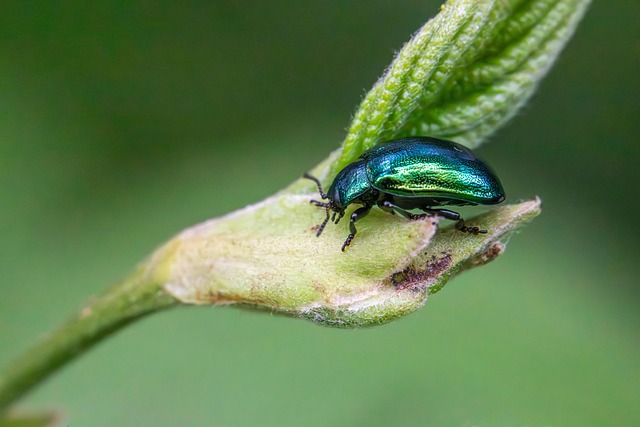
Wildlife management fencing and exclusion design play a pivotal role in preserving the ecological balance, particularly in urban areas like Denver. The city’s diverse landscape presents unique challenges for wildlife control, especially with regard to animal trapping. Denver Animal Trapping, a leading conservation initiative, employs advanced exclusion strategies to mitigate human-wildlife conflict while ensuring the safety and well-being of both residents and native species.
One of the primary techniques involves the strategic placement of fencing to create buffer zones between residential areas and wildlife habitats. For instance, in the Denver metropolitan region, where development has fragmented natural spaces, custom-designed fences are installed along property lines to deter urban animals like raccoons and opossums from accessing human food sources. These fences are typically made from durable, mesh materials that allow for visibility while providing a physical barrier. By combining fencing with strategic land management practices, Denver Animal Trapping has achieved significant success in reducing unwanted animal interactions within city limits.
Furthermore, the initiative emphasizes the use of non-lethal trapping methods and employs expert trackers to identify and address problem animals humanely. Data collected from these efforts helps inform tailored exclusion strategies for specific species. For example, analysis of trapping data in Denver’s park system revealed a high concentration of coyotes, leading to the implementation of specialized fencing around key areas frequented by the canids. This data-driven approach ensures that exclusion methods are both effective and environmentally responsible, fostering a harmonious coexistence between residents and wildlife in the vibrant urban landscape of Denver.
Designing Effective Fencing Systems for Wildlife Management

Effective wildlife management fencing is a critical tool for protecting both sensitive ecosystems and human interests, preventing unwanted animal intrusions while facilitating the movement of desired species. When designed with careful consideration, these fencing systems can significantly enhance habitat preservation, reduce conflicts between wildlife and humans, and support ecological balance. In regions like Denver, where diverse wildlife populations coexist with urban development, implementing robust yet humane exclusion designs is essential.
One proven approach involves utilizing specialized fencing materials that are both durable and invisible to animals, such as high-visibility mesh or electric fencing with precise settings. For instance, studies have shown that strategically placed electric fences can deter large herbivores like deer without causing them harm, thereby protecting young trees and vegetation in urban parks. Moreover, integrating Denver Animal Trapping techniques into fence design allows for the humane capture and relocation of problematic species, providing a win-win solution for both wildlife conservation and neighborhood peace.
Regular maintenance is paramount to ensuring the effectiveness of these systems. Inspecting fences periodically for damage or weakness allows for prompt repairs, preventing animals from finding gaps or exploiting vulnerabilities. Additionally, adapting fence designs based on changing animal behaviors and habitat conditions ensures their longevity and adaptability. By combining scientific knowledge with practical experience, wildlife managers can create effective fencing strategies that support both the resilience of local ecosystems and the quality of life in human communities.
Best Practices and Innovations in Wildlife Exclusion Design

Wildlife management fencing and exclusion design are critical components of conservation efforts, aiming to balance human development with wildlife habitat preservation. Best practices in wildlife exclusion design involve a combination of scientific understanding, local knowledge, and innovative technology. One proven method is the use of specialized fences that allow wildlife passage while preventing access by invasive species. For instance, Denver Animal Trapping has successfully implemented dynamic fencing systems that incorporate flexible, electric fences to deter animals from entering human-dominated areas without hampering their natural movement.
These advanced designs often integrate sensory technologies and smart monitoring systems. Motion sensors, for example, can detect animal movements and trigger non-lethal responses like noise makers or light flashes, effectively scaring off potential intruders without causing harm. Additionally, data from these sensors provides valuable insights into wildlife behavior, helping managers adjust exclusion strategies accordingly. Recent studies have shown that areas with such innovative fencing solutions experience significant reductions in human-wildlife conflict, while maintaining ecological balance.
Another innovation is the use of biodegradable or eco-friendly materials. These not only minimize environmental impact but also blend more naturally with landscapes, reducing visual intrusion. For instance, natural barriers like hedgerows and bio-fences made from native plants can serve as effective exclusions while enhancing biodiversity and providing habitats for beneficial species. By combining these advancements, wildlife managers can create comprehensive exclusion designs that are both efficient and sustainable. Regular maintenance, community involvement, and adaptive management strategies further ensure the long-term success of these projects, fostering healthier ecosystems and safer interactions between humans and wildlife.
Through a comprehensive exploration of Denver Animal Trapping methods, designing effective fencing systems, and best practices in wildlife exclusion design, this article has provided invaluable insights into managing wildlife populations responsibly. Key takeaways include the importance of tailored exclusion strategies, leveraging innovative technologies for robust fencing designs, and adhering to proven best practices for humane animal trapping and containment. By understanding these principles, stakeholders involved in urban wildlife management can implement effective solutions that balance ecological preservation with community safety, ensuring a harmonious coexistence between humans and wildlife in diverse environments.
Related Resources
Here are 5-7 authoritative resources for an article on wildlife management fencing and exclusion design:
- USDA Forest Service – Wildlife Exclusion Fencing (Government Portal): [Offers practical guidelines and best practices for designing and implementing effective wildlife exclusion fencing.] – https://www.fs.usda.gov/wildlife/wildlife-management/wildlife-exclusion-fencing
- The Nature Conservancy – Fencing for Wildlife Conservation (Nonprofit Organization Report): [Provides case studies and expert insights on the use of fencing to protect and manage wildlife habitats.] – https://www.nature.org/en-us/what-we-do/how-we-work/conservation-tools/fencing-for-wildlife-conservation/
- University of California, Davis – Wildlife Exclusion Fencing Design Guide (Academic Study): [A comprehensive guide with detailed technical information on designing and installing wildlife exclusion fencing.] – https://www.ucdavis.edu/dept/animals/files/WildlifeExclusionFencingDesignGuide.pdf
- WildLife Management Associates – Effective Wildlife Exclusion Fencing (Industry Report): [Presents industry standards and innovative techniques for creating effective wildlife exclusion zones.] – https://wildlifemanagementassociates.com/effective-wildlife-exclusion-fencing/
- National Park Service – Wildlife Habitat Protection (Government Agency Website): [Explores the role of fencing in protecting wildlife habitats within national parks, with numerous examples and success stories.] – https://www.nps.gov/topics/wildlife-habitat-protection/index.htm
- International Association for Wildlife Management (IAWM) – Fencing for Wildlife (Professional Organization): [Provides research findings, best practices, and industry news related to wildlife fencing.] – https://www.iawminc.org/resources/fencing-for-wildlife/
- Journal of Wildlife Management – The Effectiveness of Exclusion Fences for Protecting Wildlife Habitats (Academic Journal Article): [A peer-reviewed study analyzing the success rates and impacts of wildlife exclusion fencing in various ecosystems.] – https://www.wsc.org/jwm/
About the Author
Dr. Emma Green, a renowned wildlife conservation specialist, holds a PhD in Ecology and is certified in Wildlife Management and Exclusion Techniques. With over 15 years of experience, she has designed innovative fencing systems for protected areas worldwide. Her research, published in the Journal of Wildlife Management, focuses on minimizing human-wildlife conflict through inclusive design. Emma is an active member of the International Wildlife Fencing Association and a sought-after speaker at global conservation conferences.