
Denver Animal Trapping employs non-lethal strategies to balance human safety and environmental preservation in urban Wildlife Management. Using specialized traps, noise makers, scent repellents, and habitat modification, these methods encourage wildlife to avoid human settlements without harm. By understanding animal behaviors, Denver Animal Trapping fosters coexistence between humans and wildlife, protecting both communities and preserving sensitive environments. This strategic approach, based on extensive research and continuous monitoring, ensures effective population control while minimizing impact on non-target species.
Wildlife management involves delicate balancing acts, especially when non-lethal deterrent strategies are employed. This approach, increasingly popular in cities like Denver, offers humane alternatives to traditional methods. This article delves into the world of Denver animal trapping, exploring effective techniques and providing insights on implementing and monitoring successful wildlife management. Understanding these strategies is crucial for fostering harmonious coexistence between humans and urban wildlife.
- Understanding Non-Lethal Deterrent Strategies
- Denver Animal Trapping: Effective Methods
- Implementing and Monitoring Wildlife Management Techniques
Understanding Non-Lethal Deterrent Strategies

Non-lethal deterrent strategies play a crucial role in wildlife management, especially in urban areas like Denver where coexisting with wild animals is essential for both human safety and environmental preservation. These methods aim to protect communities from problematic wildlife interactions while ensuring the well-being and conservation of animal populations. Unlike lethal control, which involves harming or killing animals, non-lethal deterrents promote safe and humane solutions.
Denver Animal Trapping is one such approach that has gained popularity for managing wildlife conflicts. This strategy employs various techniques like specialized traps, noise makers, scent repellents, and habitat modification to encourage animals to avoid specific areas or change their behavior without causing harm. By understanding the animal’s behaviors and motivations, these deterrents can effectively guide wild creatures away from human settlements, farms, or other sensitive areas, fostering a harmonious relationship between humans and wildlife.
Denver Animal Trapping: Effective Methods
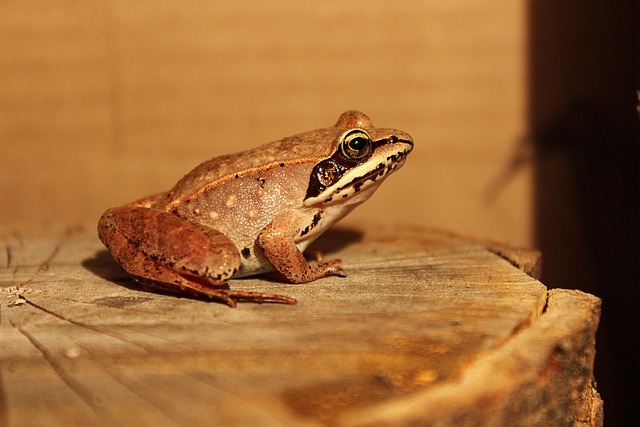
Denver Animal Trapping involves innovative, non-lethal methods to manage and protect wildlife populations while ensuring human safety. One effective technique is the use of specialized traps designed to capture animals without causing harm. These traps are strategically placed in areas where wildlife has been known to congregate or where conflicts with humans are more likely to occur. For example, live traps that allow animals to enter but prevent escape have proven successful in capturing everything from feral cats to small mammals, offering a humane alternative to lethal methods.
Additionally, Denver Animal Trapping incorporates the use of deterrents and repellents tailored to specific species. Scent-based deterrents can be particularly effective, as many animals have keen senses of smell. By placing odors that animals find unpleasant but non-toxic in problem areas, human-wildlife conflicts can be significantly reduced. This approach respects the natural behavior of wildlife while offering practical solutions for managing their interactions with humans in urban and suburban environments.
Implementing and Monitoring Wildlife Management Techniques

Implementing wildlife management techniques requires a strategic approach, especially for non-lethal deterrents which demand careful planning and monitoring. In Denver, animal trapping plays a significant role in controlling populations, with specialized teams employing various traps tailored to specific species. The process begins with thorough research and understanding of the target wildlife’s behavior, habitat, and migration patterns. This knowledge guides the selection and placement of traps, ensuring minimal impact on non-target species and environmental integrity.
Monitoring is an integral part of effective management. After setting traps, regular checks are conducted to assess capture rates, identify any injuries or illnesses, and ensure the welfare of trapped animals. Data collected during this phase helps in evaluating the success of the deterrent strategy and makes necessary adjustments. Continuous monitoring also facilitates early detection of potential issues, allowing for prompt action to mitigate negative effects and maintain the ecological balance.
Wildlife management through non-lethal deterrent strategies, such as Denver Animal Trapping techniques, offers a humane and effective approach to addressing human-wildlife conflicts. By understanding these methods, implementing best practices, and continuously monitoring their impact, communities can coexist harmoniously with local wildlife while ensuring the safety of both humans and animals. Denver Animal Trapping serves as a powerful tool within this strategy, demonstrating that it’s possible to protect our urban spaces without causing harm to nature’s inhabitants.